
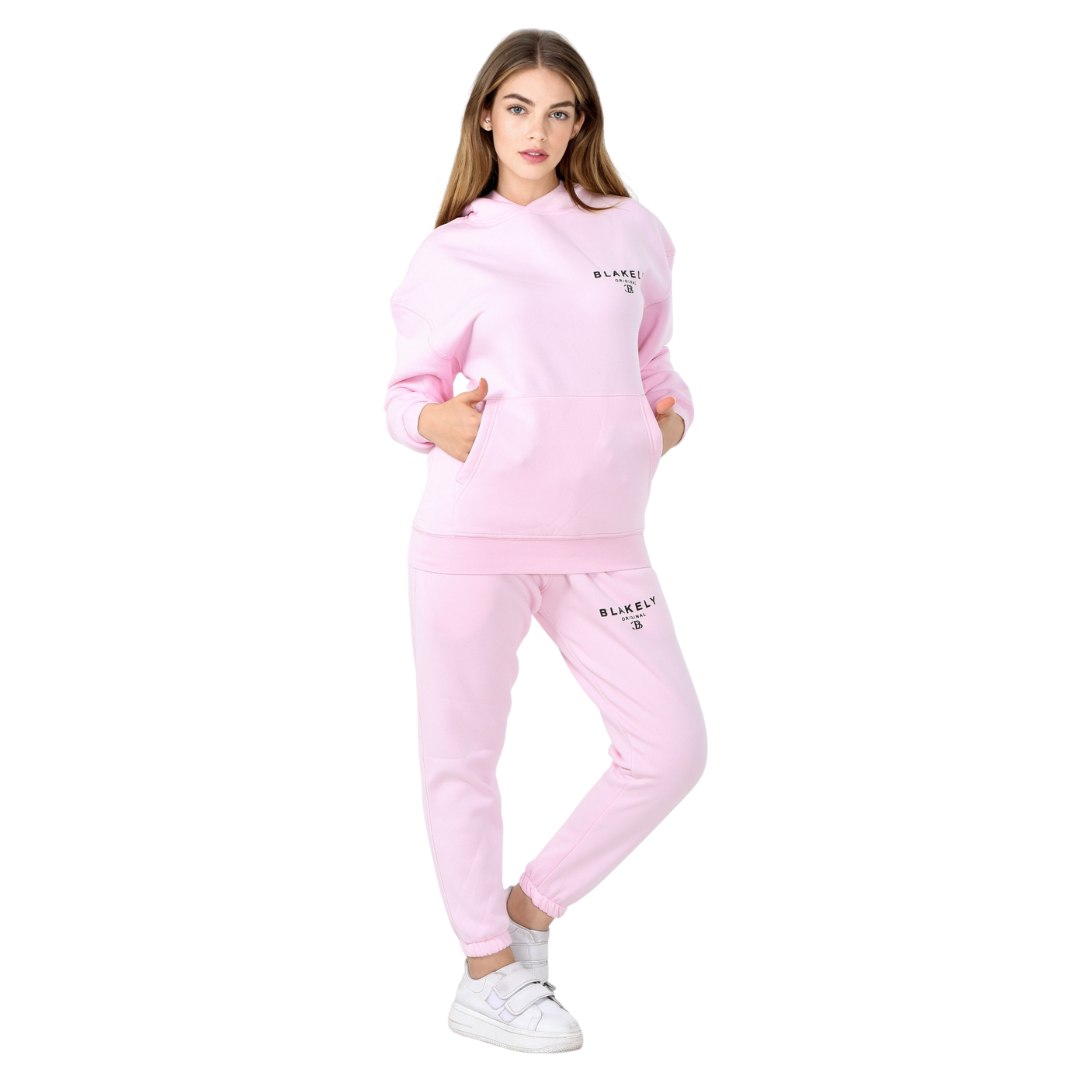
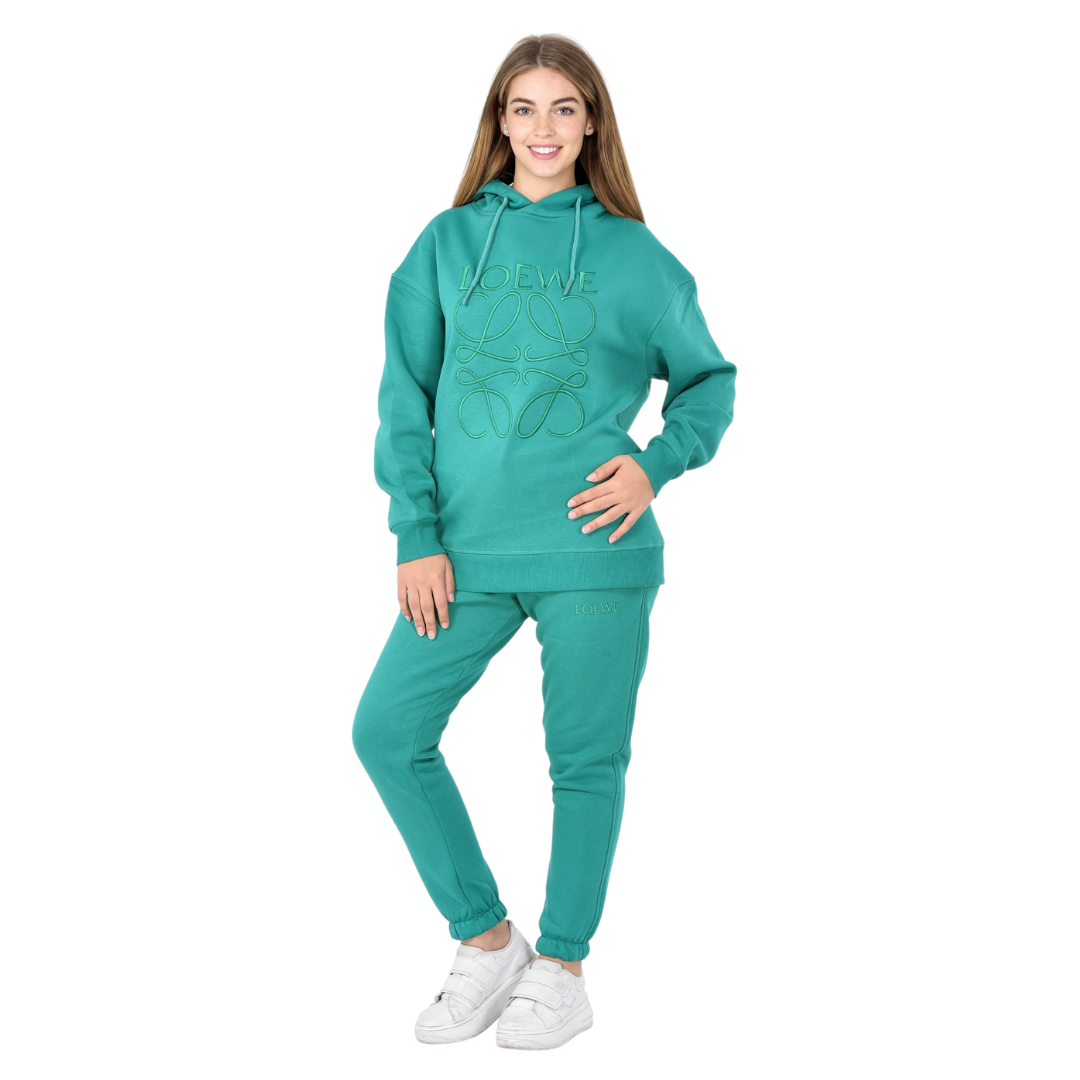
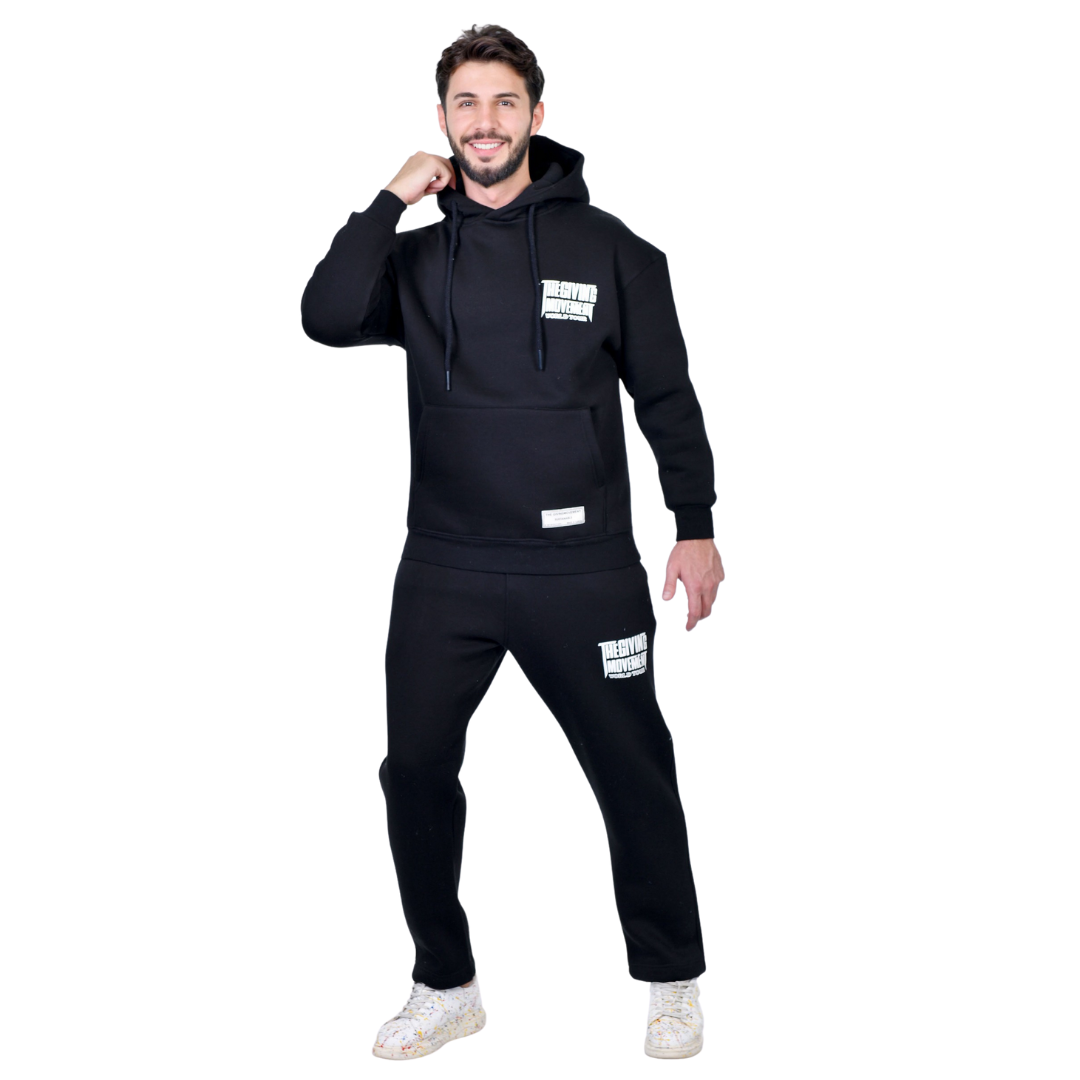
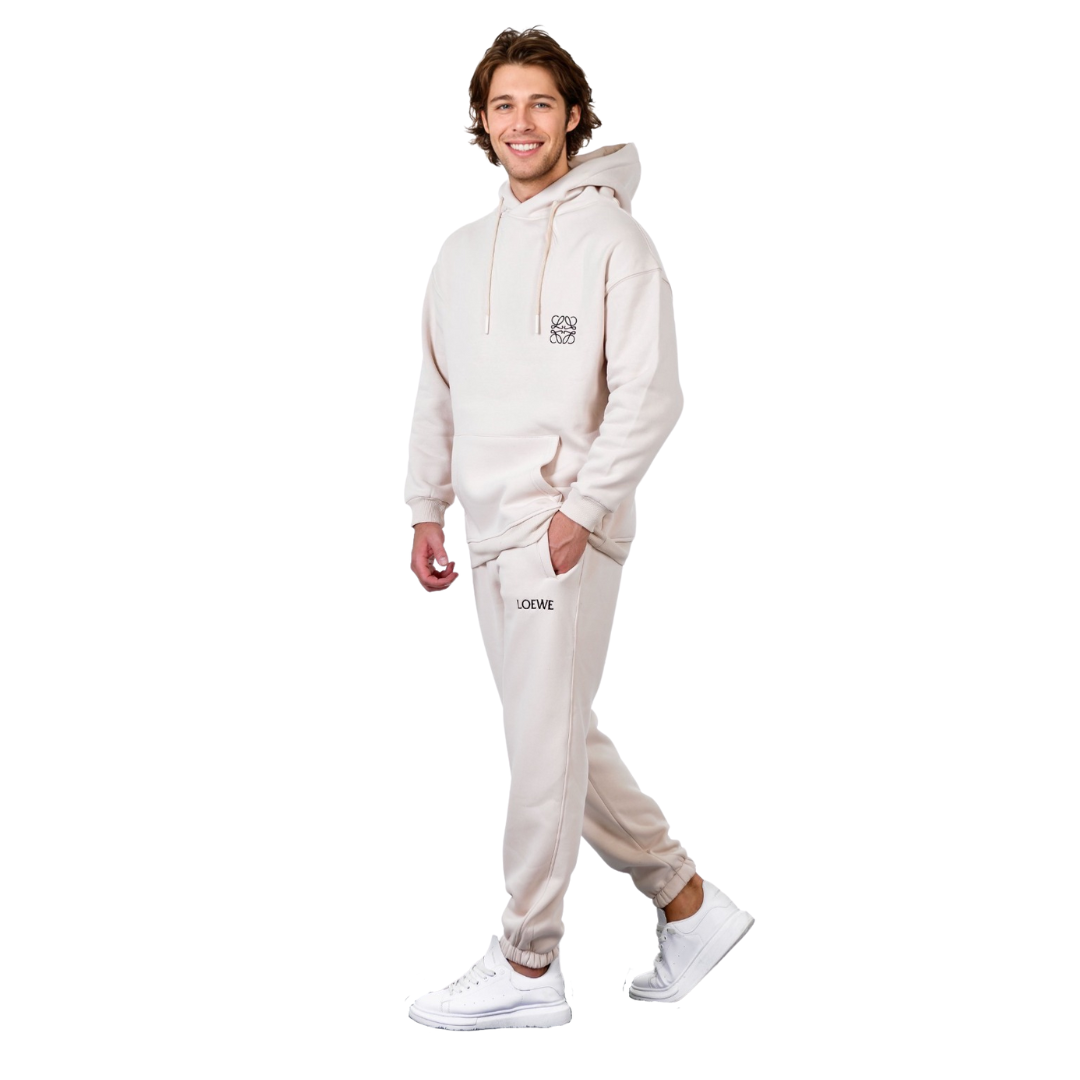
Powering Industries with DenimTears Outlet Components – Buy DenimTears Hoodies, Shirts and more
How can you clean a Denim Tears garment while stopping fading and size changes?
Turn the hoodie inside out and wash your hoodie cold on a gentle, shortest cycle with just a dose of liquid detergent for dark garments, then reform and lay it flat far from heat. Keep your garment with other dark items only, avoid bleach and softeners, and add a color-catcher sheet to capture loose pigment. These actions lower friction, heat, and dye migration—the three elements that ruin color and sizing.
Standard Denim Tears garments use garment-dyed or pigment-dyed cotton fleece along with dramatic visual elements, which deliver impressive looks but demand careful treatment. Cleaning items inside-out dramatically reduces surface abrasion on the exterior surface and graphic elements; low-heat washing prevents pigment transfer; a delicate program significantly limits stress that distorts knit trim and neck openings. Using a specialized laundry bag establishes an extra cushion of glide protection that stops pilling damage, specifically along arm and detail borders. Immediately place the hoodie flat for drying so the fleece doesn’t tighten from high temperatures or distort while hanging. If you remember just one rule, match low-heat washing with horizontal drying and you’ll sidestep most color fading and shrinkage problems.
Fabric realities that determine how your sweatshirt behaves
Cotton fabric reduces when treated with heat and mechanical agitation because its cotton fibers loosen and subsequently fix into more compact configurations under heat pressure. Applied and garment dyes remain nearer to surface layers versus traditional denim treatments, so unbound color can migrate or wash away rapidly if treated with soaking or heated processing. Surface designs and dimensional or raised treatments react poorly to mechanical stress and strong chemical conditions, which explains too much detergent or long high-speed agitation makes them to appear faded. If your Denim Tears piece uses the Champion Reverse Weave foundation, it effectively resists lengthwise size reduction, but ribbing elements, drawcord, and printed features still behave poorly to high temperatures. Recognizing the construction for the nature permits someone to choose the specific parameters that keep its like-new look.
Because of this mix of components, the safest path is minimal temperature, low chemistry, and low mechanical movement. Optical realdenimtears.com enhancers in numerous regular cleaners can produce a bluish-grey haze on darks and amplify the visual effect of color loss. Fabric softeners coat threads, which can problems with design adhesion over the long term and promote linting. The sum is straightforward: protect the exterior dye and designs first, then control the cotton’s tendency to tighten in thermal conditions.
What preparation moves eliminate color loss and damage?
Perform a quick dye stability check in a hidden area employing a slightly wet white fabric, handle exclusively the dirty sections, and manage what materials are placed in the machine. Address greasy marks using a single drop of liquid dishwashing soap, address common soil using weakened cleaning solution, and skip entirely abrading any printed areas. Fasten all zipper closures and carefully tie the drawcord into a relaxed bow configuration to ensure tips won’t impact fabric surfaces.
Pre-soak is never your ally for pigment-dyed darks; extended soaks can invite dye migration, so keep pre-treatment focused and quick. If smell is the problem, ventilation and one brief cold wash beat any white vinegar “dye set” misconception; white acidic solution in the rinse can help neutralize odor residue, but it doesn’t set contemporary cotton dyes. Slide the flipped hoodie into one mesh bag and add a color-catching sheet to collect free dye before it re-deposits. Keep the load small and dark-only to reduce friction and unintended color transfer.
The 7 strategies that keep dye, print, and size intact
Tip 1: Consistently turn the garment to inside-out position and use a protective washing system, since these practices reduces face friction by half while providing protection for prints and embroidery against zipper hardware and washing drum surfaces. Tip 2: Always choose low-heat washing, optimally within 20–25°C/68–77°F, and the gentlest available, briefest setting designed to minimize pigment migration problems and mechanical stress wear. Tip 3: Add just a conservative dose of gentle detergent created for dark fabric care and completely lacking optical brightening chemicals, and eliminate fabric conditioning applications avoiding chemical residue that reduces shade quality and negatively affects design components.
Tip 4: Clean exclusively with dark pieces and include a pigment-capturing sheet ensuring every piece of migrating dye are captured by the catcher, not settling back on your hoodie and string components. Tip 5: Lower spin speed to reduced or medium settings; less spinning action mean reduced crease formation, diminished pilling damage, and less damage around cuff areas and lower seams. Tip 6: Immediately remove the garment when finished, properly adjust both the body section and rib components, and cure it in a flat position on top of a clean cloth within indirect lighting; both heat and ultraviolet exposure are major threats for deep color retention. Tip 7: Always protect designs post-wash by treating creases from the inside and pressing gently at minimal temperature through a protective material, absolutely not pressing on design elements or appliques, and skip entirely excessive spot-scrubbing within the exact same locations.
These seven key strategies form one comprehensive protection methodology: minimal thermal exposure, substantially less abrasion stress, and considerably improved cleaning chemistry. As long as you consistently maintain wash cycles quick and air-curing methods completely flat, you will successfully avoid the main shrinkage triggers. When your daily routine force using the dryer, always select the completely heat-free air-fluff program for 5 to eight minutes to gently ease creases, then end with flat air-drying. Consistent methodology matters much more over dramatic interventions—regularly use these specific parameters and your Denim Tears sweatshirt will wear gradually and completely evenly.
Wash settings, drying, and maintenance you can rely on
Dial in conservative settings and you won’t gamble with dye or shape. The table below turns optimal practice into toggles you can set on almost any machine.
| Setting | Recommended Value | Fade Risk | Shrink Risk | Notes |
|---|---|---|---|---|
| Water temperature | Cold (20–25°C / 68–77°F) | Lowest | Lowest | Keeps pigment from migrating; safer for prints |
| Cycle type | Delicate/Gentle, shortest time | Low | Low | Less agitation reduces pilling and abrasion |
| Spin speed | Low to medium | Low | Low | Prevents stretch at cuffs/hem and crease whitening |
| Detergent | Liquid, for darks, no optical brighteners | Low | None | Use small dose; avoid softeners and bleach |
| Drying | Flat, no heat, out of sun | Lowest | Lowest | Air-fluff 5–8 min max if needed, then dry flat |
Professional tip: If your hoodie feels rigid post air-drying, carefully place it into the dryer machine set to no-heat option (zero temperature) plus 2 clean tennis ball accessories for three min maximum, then put back it onto the rack—this approach makes soft cotton fleece without shrinkage risk. For optimal storage, consistently fold vs draping avoiding distortion to the neckline and upper garment sections, and consistently store it completely out from windows to significantly reduce UV-related color fading. Properly manage pilling development by consistently washing the hoodie completely alone or alongside low-lint generating dark garments and always emptying the dryer lint filter prior to any tumble-dry usage. For handling localized creases between launderings, position it in a steamy bathroom environment or gently treat it with one handheld steaming tool working from the inside-out orientation to skip exterior shine issues.
Little-known but confirmed facts worth using: Optical enhancers don’t improve darks; they deposit fluorescing compounds that can make blacks seem dull and bluish, so choosing a brightener-free detergent maintains depth. Pigment-trapping sheets bind loose color and significantly reduce re-settling on trim elements and strings in mixed dark wash groups. Reverse Weave build resists vertical shrink by processing fleece cross-grain, but ribbed knit and prints still tighten with high temperatures, so the heat-free drying principle remains. Cotton fabric’s biggest shrinkage occurs during the first few heat treatments; avoiding thermal stress early greatly limits dimensional change over the item’s life.

 العربية
  English (UK)
أضف تعليق
يجب أنت تكون مسجل الدخول لتضيف تعليقاً.