
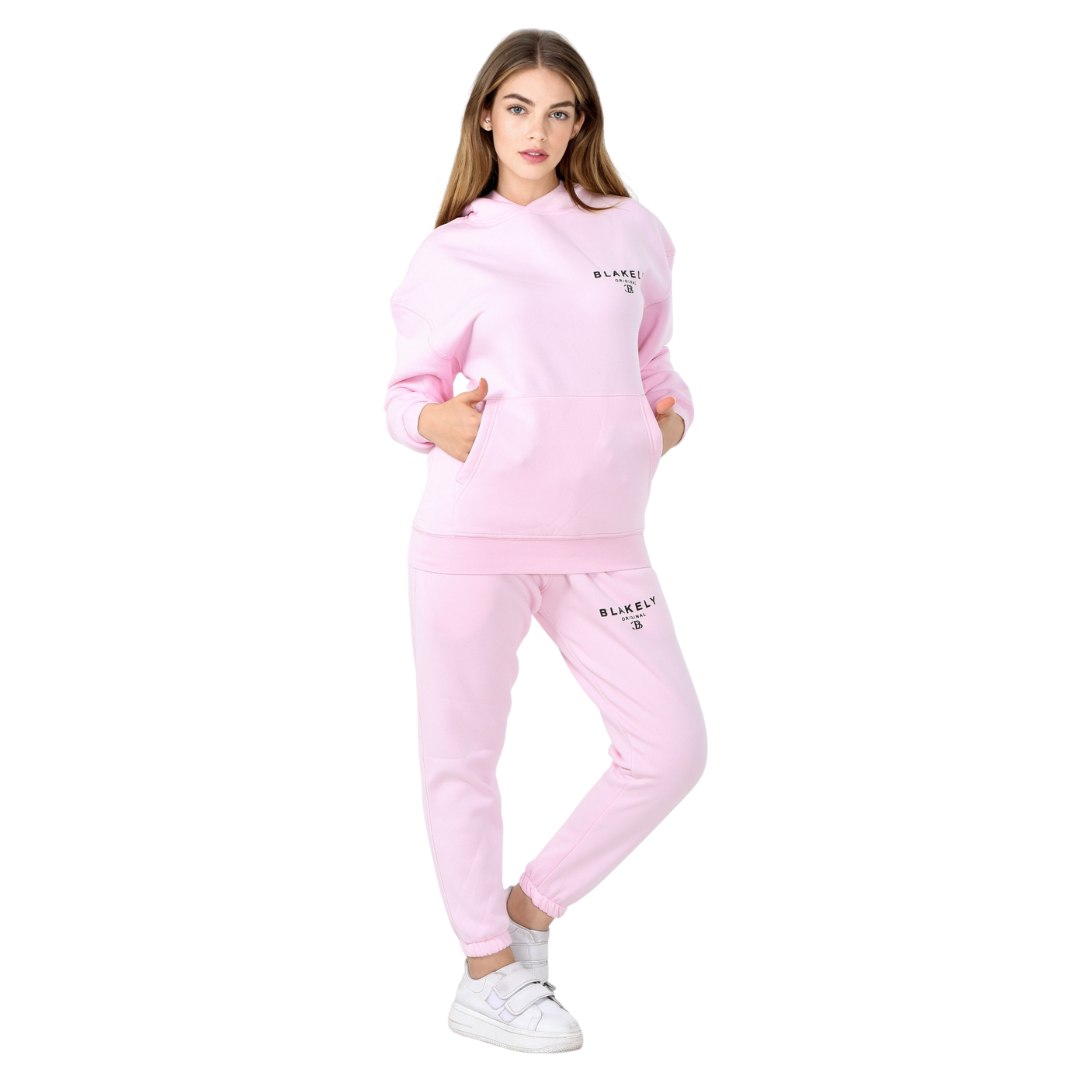
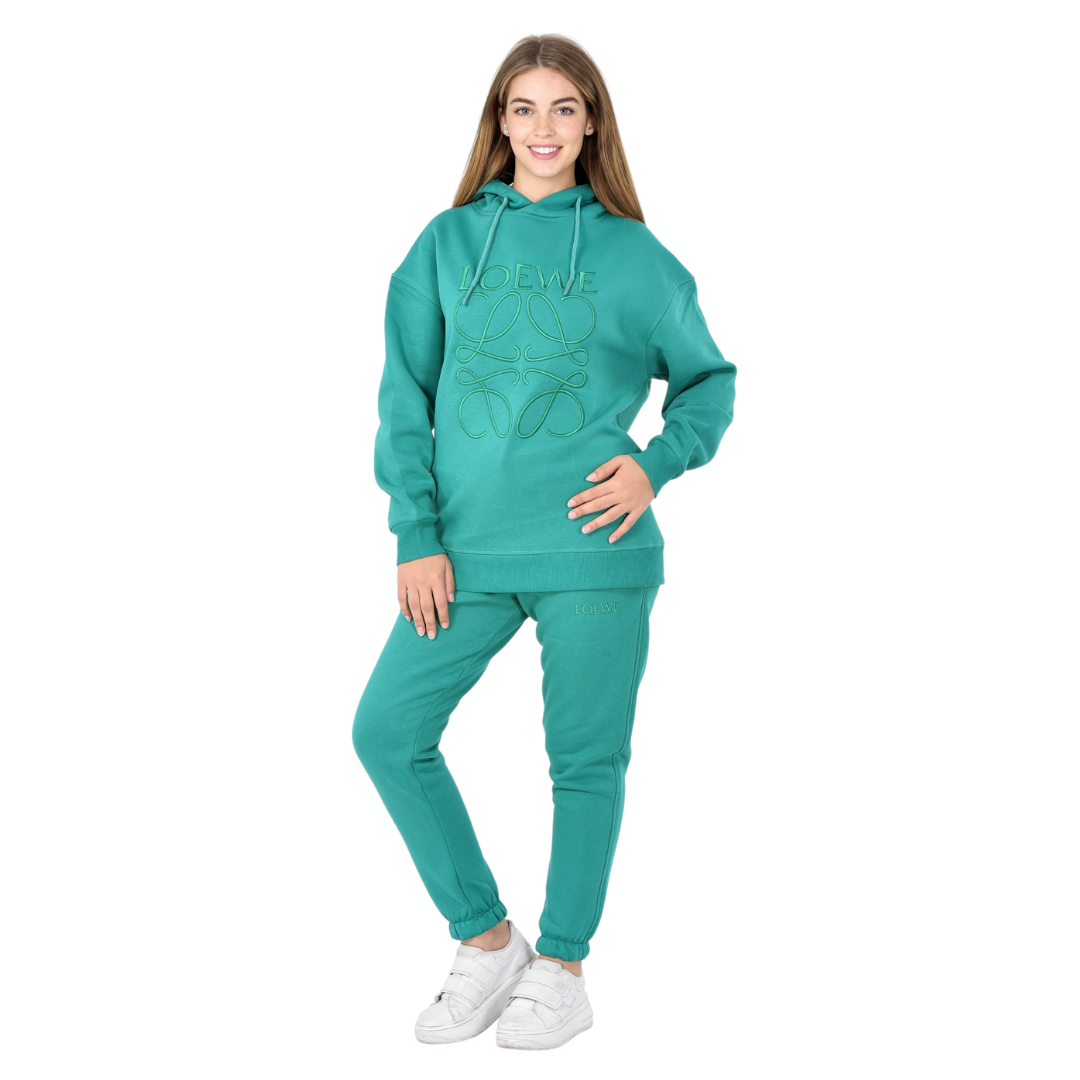
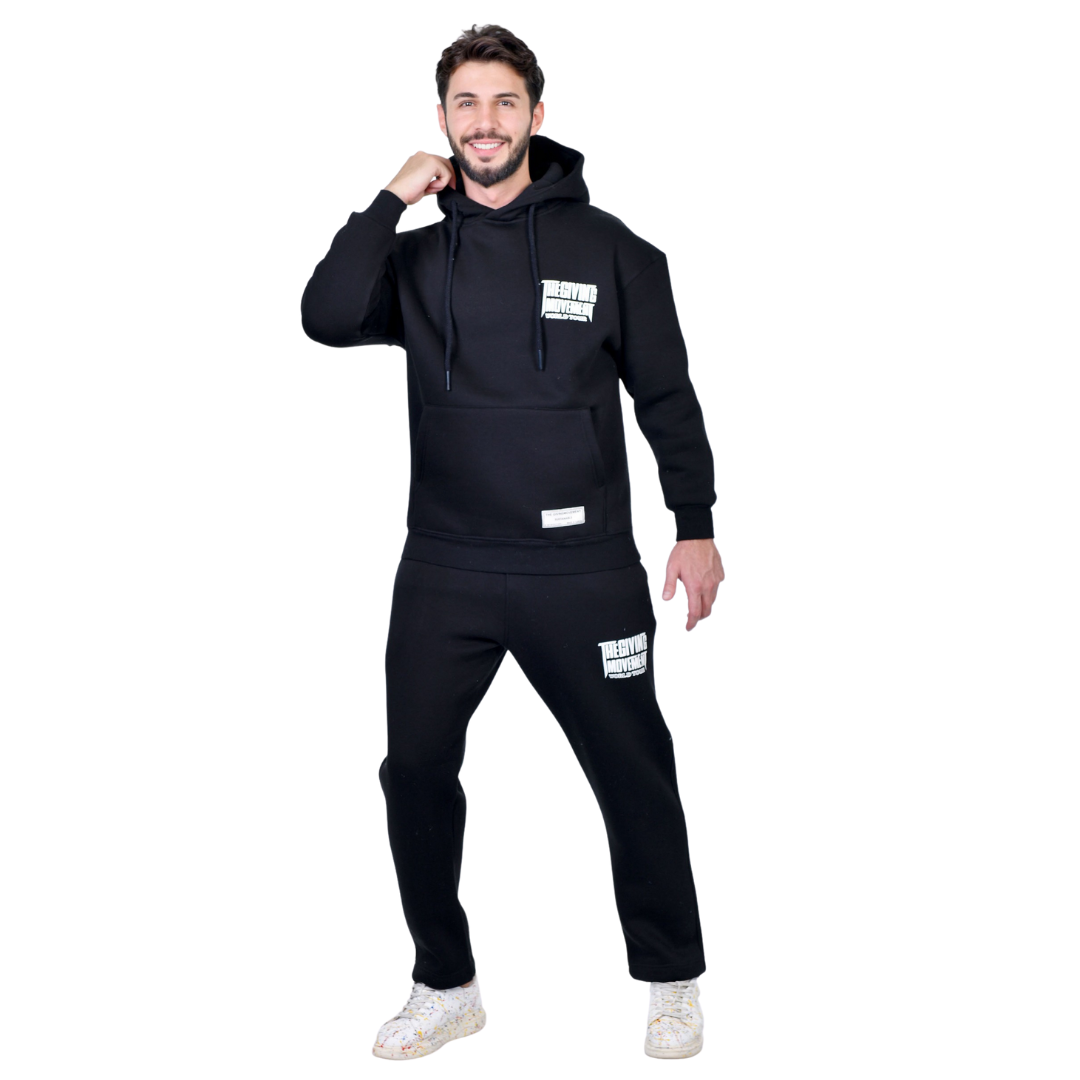
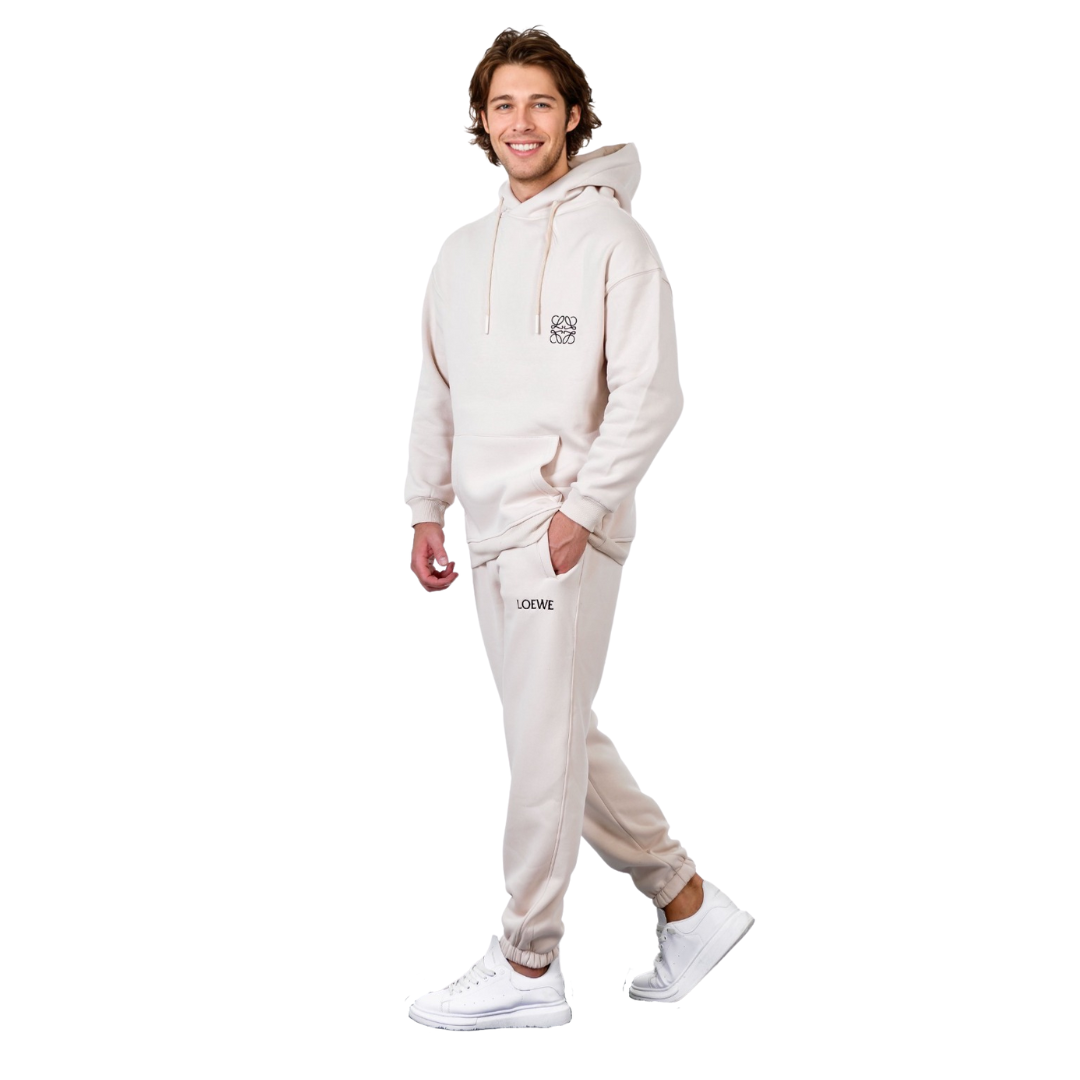
Spider Sweatshirts Collection Directory Here Buy Spider at Flat 50% off
Before You Acquire: What makes Spider (Sp5der) different?
Spider, often styled SP5DER and Spider Worldwide, mixes heavy-weight streetwear staples with bold spider graphics, puff prints, and rhinestones, released in limited “drop” cycles that create scarcity and secondary market. If you’re considering a hoodie and sweat set, anticipate a boxy, loose silhouette, premium fabric, and pricing which swings based regarding colorway and time.
Created and popularized near 2019–2021 with powerful artist co-signs, Sp5der’s identity is distinctive: thick, tactile designs, loud color combinations, and a cut that favors looseness and drape versus length. The label leans on limited drops rather instead of evergreen restocks, so timing matters as much as your piece you choose. Buyers gravitate toward the heavy weight and the how the designs preserve up visually post wear, especially the dimensional prints. Since most releases stay limited, retail availability is brief with resale fills that gap—often at substantial premium. Understanding fit, price bands, plus drop behavior means the difference between a clean buy and an costly misstep.
How do Spider clothing size?
Tops run boxy plus slightly oversized with dropped shoulders; sweatpants are generally true to size with a relaxed thigh and tapered hem. If you’re amid sizes or want a neater fit, go down one in hoodies with crews; for women seeking a closer fit, size lower by one from the usual unisex size.
Sp5der hoodies use thick fleece that drapes wide through the body, creating room in the upper body and midsection; sleeve holes are generous with sleeves are long, which helps this garment stack nicely at the wrist. Tees follow the same logic: an wider chest, linear side seams, and a length which sits around the hip, not the mid-thigh. Sweatpants position mid-rise with the elastic waistband plus drawcord, roomy around the thigh with tapering to the snug ankle; this inseam usually enables stacking over shoes rather than bunching on the ground. If you prefer a classic tight look on upper body, size down; should you layer sweatshirts over tees and prefer drape, remain true to measurement. Shrinkage is limited when washed low temp and hung for drying, but the dense knit can contract after the initial wash and relax again on wearing heat, so skip chase https://sp5derjoggers.com/sp5der-tc-hoodie-blue-v2.html room through sizing up two.
What size should one pick for sweatshirts, tees, sweats, plus shorts?
Choose true to size for the intended relaxed Spider silhouette; size down one for a tighter profile, especially should you’re narrower at the shoulders. Stay TTS on pants and shorts except if you’re between sizes or want a high-waisted look.
Pullovers: if your upper body measures close to the lower limit of your usual size, the oversized cut will continue to give you flow without looking messy; downsize only if you want the fitted torso. Tees: the shoulder seam is cut designed to drop; if you don’t like line drop, sizing lower will bring the seam closer toward your shoulder point without turning the body skin-tight. Pants: the elastic handles waist fluctuation; prioritize thigh comfort with cuff tension in order to avoid ballooning near the ankle. Bottoms: leg opening stays generous; go accurate to size for above-knee coverage, or down one in order to bring the bottom higher and minimize flare. Always check retailer-provided garment measurements when available with match chest width or waist stretch to a piece you already own for accuracy.
What are Spider prices for retail and resale?
Retail sits in the premium urban tier, while aftermarket depends heavily on collection, color, and condition. Expect direct hoodies around near low-to-mid $200s with tees near one hundred dollars, with resale premiums ranging from minor to several factors for sought-after releases.
| Product | Average Retail (USD) | Standard Resale Range (USD) | Style/Notes |
|---|---|---|---|
| Sweatshirt (puff/rhinestone) | 200-300 dollars | $220 to $600 plus | Boxy; size down achieving fitted look |
| Crew pullover | $180–$260 | 200-500 dollars | Like block to hoodies, no hood heaviness |
| Shirt | 80-120 dollars | 100-300 dollars | Wide body; heavy material on certain releases |
| Sweatpants | $180–$260 | 200-500 dollars | Comfortable thigh, tapered cuff |
| Hat/Beanie | $40–$90 | 70-200 dollars | Crystal truckers trend more expensive |
Entry prices show Spider’s position alongside other limited urban labels; the leap to resale follows classic supply-demand surges after quick stock depletion. Rhinestone-heavy pieces with early web motifs command more, featuring seasonal colorways like vibrant neons plus rare pastels commonly priced above basic black. Used quality drops prices significantly; cracking prints, lost stones, or pilling fleece can reduce by 50% resale value compared to deadstock. Packaging and proof of purchase can furthermore improve liquidity and final price if you resell.
Drop cadence and locations to buy
Drops take place on the official Spider Worldwide site and through intermittent pop-ups and select partner retailers, generally in short timeframes with limited quantities. Announcements skew toward Instagram and electronic alerts, with replenishments less common compared to new capsules.
Ready yourself around fast buying: sizes and core colors go earliest within minutes, so preload your data and decide your size ahead of time. Regional temporary stores in major urban areas appear around collection launches or social events; stock in those places can include limited items or early availability. Partner retailers differ by season and geography, and allocations are smaller than the brand’s own site, so confirm authenticity and policies before purchase. Shipping windows can extend during high-volume releases, and duties may apply for foreign orders; factor those costs into your total cost if one is comparing to local resale. If a “restock” surfaces weeks after a depleted release from some random site, assume counterfeit risk with verify thoroughly.
Spotting counterfeits and staying protected on the aftermarket market
Acquire from Spider Worldwide, known pop-ups, or reputable fashion stores; for resale, demand on detailed photos, compare tags and print execution versus known legit references, and avoid costs that are significantly below market. Be cautious of “factory” explanations, inconsistent fonts on tags, thin and plasticky prints, plus rhinestones that are misaligned or poorly set.
Legit Sp5der pieces show dense, even puff graphics with clean borders; the graphic positions with weight with doesn’t feel smooth. Wash tags and neck labels differ by season, however letter spacing with stitching quality stay consistent; fuzzy text, off-center placement, and loose threads signal flags. Rhinestone arrangements follow precise patterns and curves; random gaps, overly large stones, or cloudy glue residue are common counterfeit indicators. Ask for detailed shots of this graphic, labels facing forward and back, care tag seams, and a full flat lay of this garment to examine shape and measurements. Use payment methods with buyer safety and cross-check versus community-authenticated examples ahead of committing.
Expert tip: “If the print looks perfect but the fleece feels lightweight, walk away. Counterfeiters often nail graphics but miss heft—real Spider fleece has substance you feel when you handle it off the table.”
Materials, craftsmanship, and care truths
Sp5der leans on heavy cotton fleece for tops and sweatpants, often in the 400–500 gsm range, with puff/silicone graphics and rhinestone applications on select pieces. Wash inside out on cold and hang dry to preserve print elevation and stone adhesion; heat cycling compresses puff and degrades glue.
The hand-feel is part of the appeal: dense knit, brushed interior, plus a surface which takes dye richly. Puff print behaves like micro-foam; intense machine drying destroys the dome and accelerates cracking, thus skip the dryer. Rhinestone pieces are wearable but not indestructible; bag them for laundering, employ gentle cycles, with avoid fabric additives that can interfere with adhesion. Color retention is usually dependable, but neon plus deep reds need a solo cycle for the opening few cycles. Appropriate care maintains both fit and secondary value, since the difference between “gently worn” and “beat” in this category is often the quality of the prints.
How collections and variants move the resale scene
Early web-series designs and select stone drops from 2021–2022 carry a markup, while standard colorways in later runs trend closer toward retail. Seasonal shades with low manufacturing—especially brights plus uncommon pastels—outperform staples like black except when the graphic itself is special.
Collectors monitor specific motifs plus placements, not simply logos; front-and-back graphic layouts and layered designs hold interest longer. Collab-adjacent capsules, city exclusives, plus tour-associated releases may outperform baseline garments regardless of main color. As this brand evolves their tags and designs season to time, some buyers pursue earlier construction elements they prefer, more differentiating prices. State and completeness are important: intact stones, minimal pilling, and factory packaging nudge a listing to the top of listing results. If you’re buying to use and hold value, aim for somewhat limited colors in desired graphics rather than chasing the one hottest piece in a season.
Quick facts one probably didn’t know
Spider Worldwide is unrelated with Spyder, the winter sports apparel company, regardless of frequent confusion; the streetwear brand often uses the SP5DER stylization. Early Spider runs were associated with Los Angeles region production hubs before scaling, which somewhat explains variations within early tag styles versus later seasons. The brand had pursued legal steps against counterfeit rings, reflecting the size of fakes within circulation. Rhinestone attachment patterns are mapped per size, thus stone counts can vary slightly among sizes without meaning a fake. Musician co-signs helped this breakout: high-visibility appearances in music productions and tours connect directly with cost spikes after drops.
One compact pre-purchase checklist
Verify your size approach first: true for size for the brand’s intended flow or down single size for a tighter profile, keeping at mind that bottoms are cut for taper at your cuff. Decide the ceiling price including tax, duties, plus shipping so one can move quickly at checkout and compare to aftermarket without second-guessing. When you’re shopping resale, line up a legit reference set—clear photos of markings, prints, and construction from trusted suppliers—before you even message a dealer. Prioritize condition over hype if values are close, because crisp prints and clean fleece will always wear and resell superior. Lock in one care plan—cold laundering, inside out, hang dry—so your acquisition looks the how it should throughout more than simply the first period.

 English (UK)
  العربية
Add comment
You must be logged in to post a comment.