


Jordan Mid Collection Order Today
How to Soften New Jordan Shoes Without Any Pain
There is few things quite like cracking open a fresh pair of Jordans — the stiff leather, the immaculate creases, and that unmistakable new-shoe smell. But if you have ever put on a new pair and walked straight into a long day of activity, you probably know the sting of friction blisters, heel irritation, and sore arches that can result. Breaking in Jordan shoes doesn’t need to be a uncomfortable process, and with the right technique, you can get your kicks feeling comfortable in just a few days. This detailed article details reliable methods to relax the fabrics, conform the interior to your foot, and dodge the typical errors that turn brand-new shoes into torture devices. Whether you just bought a pair of Jordan 1 Highs with stiff leather uppers or a pair of Jordan 4 Retros with stiff midsoles, these methods deliver results across the entire Jordan range. By the end of this article, your new Jordans will seem as though they were custom-made for your feet.
Knowing Why New Jordans Come Out Uncomfortable
Before diving into softening techniques, it pays off to know what makes new Jordan sneakers stiff in the first place. Most Jordan shoes use premium leather, faux leather panels, and midsole foam that come out of the box stiff and progressively break down with use. The leather uppers on silhouettes like the Jordan 1, Jordan 4, and Jordan 12 are finished with treatments that keep a stiff shape on the store shelf but require your body’s heat and walking to grow flexible. The cushioning foam — whether Nike Air, Zoom Air, or regular polyurethane — hits its optimal responsiveness after about 10 to 15 hours of time on foot. The insole and sockliner also take time to adapt to the unique anatomy of your foot, especially in the arch area and around the heel counter. go here Understanding these variables means you can target your wearing-in approach to the exact zones that seem tight rather than just praying the issue disappears.
The Progressive Wear Technique
The least risky and most effective way to break in new Jordan shoes is wearing them for short periods and gradually lengthening the time over a few days. Start by wearing your new Jordans at home for 30 to 45 minutes on the opening day, watching for any hot spots or tight zones. On the second day, bump up wearing time to about 60 to 90 minutes, preferably while doing mild movement like walking around or working at a desk. By the third and fourth day, you can have them for two to three hours at a time, and most of the original stiffness should begin to fade. The biggest upside of this method is that it enables the shoe to break in organically while granting your feet time to adapt without forming raw spots. Make sure to wear the identical sock type you plan to wear most often — heavy athletic socks will expand the shoe in a different way than lightweight socks. By the end of the first week, a pair of Jordan 1 Retro Highs or Jordan 3s should feel significantly more broken in and ready for full-day use.
The Thick Sock Approach for Speedier Break-In
The thick-sock trick is a tried-and-true technique that sneakerheads have used for years to fast-track the softening process. Slip on two pairs of chunky wool or wool crew socks, then lace up your new Jordans snugly — not excessively tight, but snug enough that the leather is under mild tension. Stroll through your home for 20 to 30 minutes while the added sock thickness stretch the interior of the shoe, hastening the loosening process. You can improve this technique by using a heat gun on a medium setting to heat the leather for 30 to 60 seconds per area before moving, as warm leather grows considerably more malleable. Focus the heat on particular tight spots like the front of the shoe, heel area, and any zones where you experience tightness. After your movement session, continue wearing the shoes on as they cool down so the leather locks in the widened shape rather than returning.
Specific Remedies for Common Problem Areas
Various areas of the Jordan shoe frequently cause different kinds of pain, and addressing each zone with focused fixes saves break-in time and decreases discomfort. The heel padding on high-tops like the Jordan 1, Jordan 11, and Jordan 13 is a regular origin of friction, which you can ease by placing moleskin strips to the inside of the collar. Toe box tightness, frequent in narrow-fitting models like the Jordan 4 and Jordan 5, responds well to overnight stretching with a shoe tree or rolled socks stuffed into the toe box. For arch soreness, look into switching the factory insole with an replacement insole from companies like Superfeet or Dr. Scholl’s. The tongue on some Jordan shoes can generate tightness on the top of the foot — relaxing the middle laces while leaving the top and bottom laces snug typically solves this concern. Ankle stiffness around the collar frequently resolves simply by flexing it repeatedly 20 to 30 times before putting on. Each of these focused solutions addresses a specific pain point without demanding hours of full-shoe discomfort.
| Problem Area | Common Models Affected | Recommended Solution | Expected Relief Time |
|---|---|---|---|
| Heel rubbing | Jordan 1 High, Jordan 11, Jordan 13 | Adhesive moleskin plus thick socks | 2–3 days |
| Front-shoe pinching | Jordan 4, Jordan 5, Jordan 6 | Overnight shoe trees plus thick-sock stretching | 3–5 days |
| Arch pain | All models | Aftermarket insoles | Immediate |
| Tongue tightness | Jordan 6, Jordan 7, Jordan 8 | Relax center laces | 1–2 days |
| Stiff ankle collar | Jordan 1 High, Jordan 12 | Manual flexing, gradual wear | 3–7 days |
Lace Methods That Improve Comfort
Most people skip how they lace when dealing with break-in pain, but how you thread your Jordans can have a major impact on fit. The typical cross-over lacing style provides uniform pressure, but it can be excessively firm across the mid-section for individuals with broad feet or elevated arches. Try the “gap lacing” technique where you bypass one set of lace holes in the zone that feels most snug, which creates a tiny pressure-free area without losing general stability. For Jordan shoes with a lot of eyelets like the Jordan 1 High, you can use separate tightness levels in the bottom and top zones to personalize the fit. Relaxed lacing through the toe box combined with firm tension at the upper eyelets provides a relaxed forefoot while keeping ankle lockdown. According to podiatric research published by the American Podiatric Medical Association, correct lacing methods reduces the occurrence of skin blisters by up to 40 percent. Experimenting with lacing takes just a couple of minutes but can transform a tight pair into one that wears perfectly.
Products That Work and Errors to Steer Clear Of
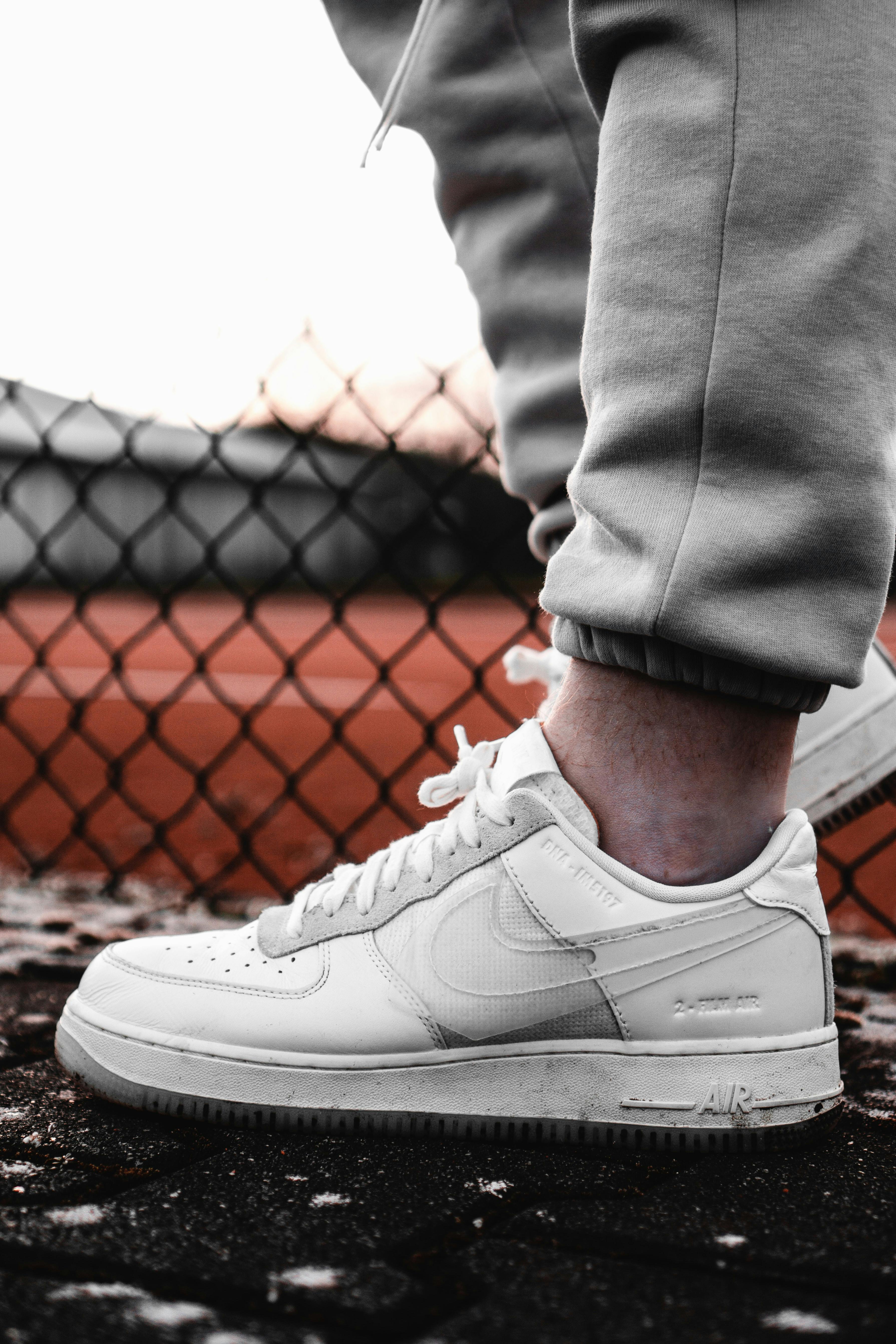
Multiple items can accelerate the softening process and shield your feet during the transition period. Leather conditioners like Lexol are gentle for the premium leather found on Jordan 1s and Jordan 3s, loosening the leather without ruining the surface. Stretching solutions, priced for around $8 to $12, operate by briefly loosening the material fibers in leather and synthetic fabrics. Friction-reducing products like Body Glide apply a friction barrier between your feet and the inside of the shoe. Cedar inserts preserve form when shoes are not being used and lightly expand the interior while wicking away sweat. Equally important is understanding what not to do: under no circumstances dunk Jordans in water to break in them, as water degrades adhesives and can lead to leather to dry out. Don’t wearing just-unboxed pairs for vigorous workouts before they are at least somewhat broken in. Do not use extreme heat above 150 degrees Fahrenheit, which can melt bonding agents and warp sections. Never try to stretch shoes that are the bad fit — if a shoe is a whole size too small, no amount of breaking in will solve the problem, according to Nike’s official care guide.
Appreciate Your Properly Worn-In Jordans
Wearing in a new pair of Jordan shoes shouldn’t involve suffering through days of discomfort or extreme measures that could harm your pair. The gradual wear method is still the most reliable method, leveraging the natural properties of the leather and foam rather than fighting them. For faster results, combining the thick sock technique with focused heat treatment and clever lacing adjustments can cut break-in time in half. Focus on specific trouble spots and address them individually rather than hoping the whole shoe to loosen. Guard your sneakers with good leather conditioners and cedar inserts that keep your Jordans in excellent form. Most critically, make sure you are buying the proper size, because no trick can fix a basically poor sizing. Use these methods and within a week your new Air Jordans will be comfortable, supportive, and suited for everything.

 English (UK)
  العربية
Add comment
You must be logged in to post a comment.